
- Home
-
IT consulting Custom software development Smart Development teams Staff augmentation Digital transformation SAP Services Game Development DevOps as a Service Cybersecurity & AI-Driven Data IntelligenceApplied & GEN AIAgentic AI Computer Vision Generative AI LLM Fine Tuning LLM Model Evaluation Model Context Protocol Development Natural Language Processing Retrieval Augmented GenerationInternet of Things (IoT)IoT Consulting & Strategy Industrial IoT (IIoT) Smart City & Smart Home Solutions IoT Device & Sensor Integration IoT Data AnalyticsCloud Computing & AI InfrastructureCloud Migration & Modernization AI/MLOps (Machine Learning Operations) Serverless Computing Data Warehouse & Data Lake Solutions Cloud Security & Compliance
-
Business SolutionsHuman Resource Management Software Parking Management System Time Management System Real Estate Management System Clockify Pro Time Management SystemSpecialized PlatformsCrypto Trading Platform QR Pay Betting exchange Home service management system Stock Management SystemIndustry ProductsJob Recruitment Platform Ads Network Digital Marketing Platform Parkmepro car-parking platform Video Streaming Portal Remittance Money Transfer SolutionProduct InnovationOnline Learning Management System QRPay Agent Baby and Pet Sitting Services Platform Telemarketing Voip Service Advanced Hyip Investment Software
- Insights
- Contact Us
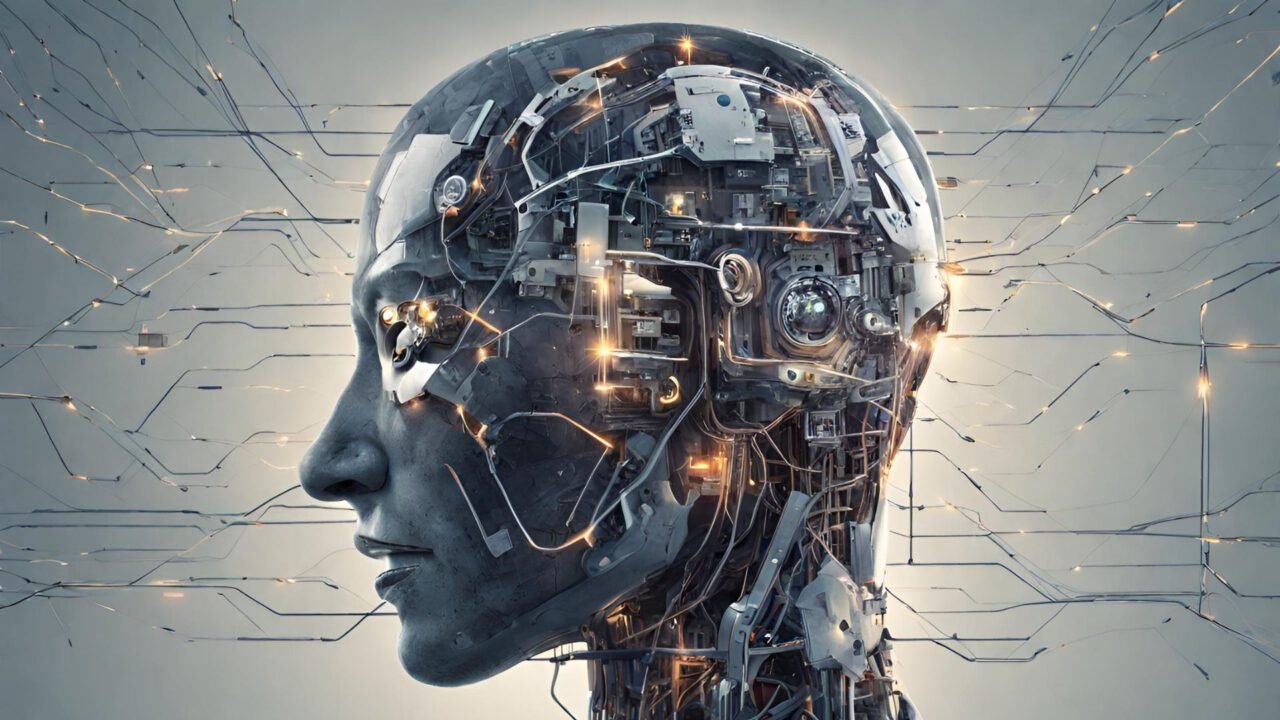
The Role of AI in Fostering Non-Cognitive Skills: Resilience, Self-Efficacy, and Growth Mindset
The Role of AI in Fostering Non-Cognitive Skills Resilience, Self-Efficacy, and Growth Mindset explores the increasing significance of artificial intelligence (AI) in enhancing essential non-cognitive skills among learners, particularly resilience, self-efficacy, and a growth mindset. As educational landscapes evolve in response to technological advancements, AI has emerged as a pivotal tool in creating personalized learning experiences that support students’ emotional and cognitive development. This integration is notable as it reflects a shift towards holistic educational practices that prioritize not just academic success but also the emotional well-being and adaptability of students in a competitive workforce.
AI applications in education provide personalized feedback and adaptive learning environments, allowing students to engage more deeply with the material and view challenges as opportunities for growth. These technologies have shown promise in boosting student confidence, facilitating critical thinking, and encouraging collaboration through interactive learning experiences. However, the implementation of AI in educational settings is not without controversy; concerns around algorithmic bias, privacy issues, and the potential for over-reliance on technology have sparked debates among educators, policymakers, and researchers alike.
Moreover, the effectiveness of AI in fostering non-cognitive skills hinges on strategic educational practices that encourage critical thinking and creativity while mitigating the risks of dependency on AI tools. Research indicates that when integrated thoughtfully, AI can significantly contribute to resilience by offering tailored support that helps students manage stress and stay motivated in challenging academic environments. As such, the discourse surrounding AI’s role in education emphasizes the need for a balanced approach that recognizes both its potential benefits and inherent challenges.
Overall, the exploration of AI’s impact on non-cognitive skills is critical for developing educational strategies that foster adaptable and resilient learners. As institutions continue to integrate AI technologies, the ongoing evaluation of these tools’ implications for student development and learning outcomes remains essential for achieving the goal of holistic education in the 21st century.
Historical Context
The integration of artificial intelligence (AI) into educational practices has evolved significantly over the past few decades, reflecting broader technological advancements and shifts in pedagogical paradigms. Early experiments with computer-assisted instruction in the 1960s laid the groundwork for future innovations in AI applications within education. These initial efforts primarily focused on basic drill-and-practice techniques, lacking the personalized, adaptive features that modern AI systems offer today [1].
As educational theories evolved, particularly with the rise of constructivist approaches in the late 20th century, the potential of AI to foster deeper learning experiences became increasingly recognized. The advent of machine learning and data analytics in the 1990s marked a turning point, allowing for more sophisticated educational tools that could analyze student performance and adapt instruction accordingly. This shift paved the way for platforms such as the Foreign Language Intelligent Teaching (FLIT) system, which utilizes AI to provide personalized learning experiences through adaptive instruction and data-driven feedback [1].
In recent years, the public release of large language models like ChatGPT has further catalyzed interest in AI applications in education. This event broadened the discourse around AI from primarily STEM-focused research to include a wider array of educational stakeholders, igniting debates about the ethical implications and potential benefits of AI in fostering skills such as resilience, self-efficacy, and a growth mindset among learners [2][3]. The growing acknowledgment of AI’s role in enhancing emotional support and motivation through gamification has also become a focal point in discussions about its effectiveness in nurturing non-cognitive skills [4].
As educational institutions adapt to these advancements, the historical context illustrates a trajectory towards increasingly complex and effective AI applications that aim not just to impart knowledge, but to also support the holistic development of students, particularly in fostering essential non-cognitive skills that contribute to their overall success [5].
AI Applications in Fostering Non-Cognitive Skills
Artificial intelligence (AI) is increasingly recognized for its potential to enhance non-cognitive skills such as resilience, self-efficacy, and growth mindset among learners. These skills are crucial for students’ success in an evolving educational landscape and a competitive workforce.
Personalized Feedback and Emotional Development
One of the primary applications of AI in education is the provision of personalized feedback. AI-driven applications offer tailored guidance and immediate responses, which significantly help students improve their work and build their confidence [4]. This personalized approach is particularly important for supporting students’ emotional development, as research indicates that personalized AI feedback can enhance learning outcomes and boost student self-confidence [4]. By fostering a growth mindset, AI applications encourage students to view challenges as opportunities for growth, promoting resilience in the face of setbacks [6].
Adaptive Learning Environments
AI technologies facilitate adaptive learning environments that can respond to students’ individual cognitive profiles, preferences, and learning styles. Adaptive learning platforms analyze student data to create personalized educational experiences, allowing learners to progress at their own pace and receive real-time feedback [7][8]. This not only enhances engagement but also empowers students to take charge of their learning journey, thereby fostering self-efficacy [8]. For example, platforms like Smart Sparrow and DreamBox use machine learning algorithms to adjust the difficulty of lessons, providing targeted support that enhances students’ motivation and encourages persistence [9].
Enhancing Collaborative Learning
AI can also promote collaborative and interdisciplinary learning experiences by exposing students to diverse perspectives and methodologies. Virtual reality simulations and intelligent tutoring systems create interactive learning environments where students can engage in co-creation and experimentation, facilitating not just cognitive learning but also essential social skills such as teamwork and communication [4][10]. By participating in collaborative tasks, students develop a sense of agency and community, which reinforces their resilience and adaptability in various social contexts.
Mitigating Over-Reliance on AI
While AI provides numerous benefits, there is a concern regarding the potential for habitual dependence on AI tools to undermine independent thinking and critical analysis skills [11][12]. To counter this risk, educational strategies can emphasize critical thinking alongside AI usage. Encouraging learners to compare AI-generated ideas with their own, reflect on biases, and engage in critical evaluation fosters an environment that cultivates essential cognitive skills while leveraging the advantages of AI technology [11].
Case Studies
AI-Enhanced Learning Activities
A practical application of AI in education can be seen in the design of learning activities that promote critical thinking and problem-solving skills. For example, educators may utilize AI to generate diverse patient case studies with varying difficulty levels for students to analyze and diagnose. This approach allows students to select case studies that align with their individual learning needs, thereby fostering a personalized learning experience that encourages reflection and engagement with the material [13].
Impact on Creativity and Academic Emotions
A qualitative research study conducted at Wenzhou University explored the effects of AI-integrated educational applications on undergraduate students’ creativity and academic emotions. The findings highlighted how AI technologies could facilitate creative problem-solving by providing adaptive feedback and generating diverse learning materials. This approach not only encouraged students to think critically about AI-generated content but also helped them appreciate the value of human insight, thus contributing to a more engaging learning environment [4].
Building Student Resilience
The integration of AI technologies in higher education is also seen as a strategy to enhance student resilience. As educational institutions face challenges such as rapid technological advancements and diverse student needs, the ability to adapt and stay motivated becomes crucial. AI-powered solutions can provide tailored support, helping students to manage stress and develop the skills necessary to thrive in demanding academic environments [14]. For instance, AI can help track students’ performance and offer personalized resources to bolster their academic success, thereby reinforcing their emotional and cognitive strength over time [15].
Methodological Innovations
Research suggests that employing mixed-methods approaches can yield valuable insights into the effectiveness of AI in fostering non-cognitive skills. By combining qualitative interviews with quantitative data, researchers can better understand the different ways AI impacts students’ academic experiences and emotional well-being. This comprehensive approach can also help identify best practices for integrating AI into educational frameworks to maximize its benefits for student learning and resilience [4][14].
Through these case studies, it becomes evident that AI plays a transformative role in education by enhancing learning experiences, promoting creativity, and building resilience among students, ultimately contributing to their overall academic success.
Challenges and Limitations
Student Engagement in AI-Enhanced Learning
While student engagement is crucial for language learning success, particularly in the context of AI-enhanced environments, several challenges persist. Engagement is typically conceptualized through cognitive, emotional, and behavioral dimensions, and AI technologies aim to enhance these aspects by offering features like real-time feedback and personalized learning pathways. However, research has primarily focused on general English as a Foreign Language (EFL) contexts, with limited exploration into AI-mediated Business English learning, which presents unique task-oriented demands [1]. This gap in research hinders a comprehensive understanding of how AI tools affect learner involvement in practical, professional language use.
Ethical Concerns and Algorithmic Biases
The ethical implications surrounding AI in educational settings also pose significant challenges. Algorithmic biases can inadvertently lead to discrimination based on historical data, reflecting and potentially amplifying past prejudices. For example, AI systems have demonstrated struggles in representing diverse cultural identities accurately, which can perpetuate inequities in educational contexts [11]. Furthermore, the reliance on AI can create an environment of dependency, diminishing critical thinking and problem-solving skills among students [4]. This over-reliance may inhibit the development of essential competencies, thereby countering the intended benefits of AI integration.
Technical Limitations and Frustrations
Technical issues such as glitches and complicated interfaces further complicate the effective implementation of AI tools in education. These frustrations can disrupt the learning experience and negatively impact students’ academic emotions, limiting their creative processes [4]. Additionally, the digital divide exacerbates these challenges, as inequitable access to technology and varying levels of digital literacy hinder students’ ability to engage fully with AI-enhanced learning platforms. This disparity highlights the need for equitable access to technology to mitigate existing educational inequalities.
Privacy and Data Protection Concerns
The collection and handling of personal data in AI systems raise critical privacy concerns. Studies have shown that language learning models (LLMs) can lead to the unintended disclosure of sensitive information, which necessitates robust data protection strategies to ensure student confidentiality and trust [11]. Addressing these concerns requires a multifaceted approach that emphasizes secure data storage, anonymization, and transparency about data use, fostering an informed understanding among students, parents, and educators about how personal information is managed within educational frameworks [11].
Future Directions
Enhancing Educational Strategies
The integration of Artificial Intelligence (AI) into educational contexts presents a unique opportunity to enhance non-cognitive skills such as resilience, self-efficacy, and growth mindset among learners. Future research should focus on developing innovative pedagogical strategies that leverage AI tools to support these skills. For instance, fostering a growth mindset can be facilitated through AI-driven feedback mechanisms that help students reflect on their learning processes and adapt their approaches to challenges [16]. This aligns with the need to create a supportive educational environment where students are encouraged to take risks and learn from failures, ultimately enhancing their adaptive capabilities in various contexts [16].
Curriculum Development
Curriculum development should also evolve to incorporate AI literacy as a core component of education. By making AI-related classes mandatory, institutions can ensure that all students acquire a foundational understanding of AI and its implications [17]. This initiative could include a blend of theoretical knowledge and practical application through collaborations with AI experts and tech companies, bridging the gap between classroom learning and real-world applications [17][2]. Such an approach would not only equip students with essential skills but also empower them to contribute to discussions on ethical AI use in education and society at large.
Stakeholder Involvement
Involving various stakeholders—faculty, students, and administrators—in the design and implementation of AI-related educational frameworks is crucial for achieving acceptance and meaningful integration of these technologies [2]. Stakeholder perspectives can inform best practices for communication, professional development, and the ethical considerations that must accompany the adoption of AI in educational settings [2]. This inclusive approach will foster transparency and promote a culture of shared responsibility in navigating the challenges posed by AI technologies.
Research Methodologies
Future research directions could employ mixed-methods approaches, beginning with qualitative interviews with educators to gather insights into their experiences and perspectives regarding AI integration in higher education. This qualitative data would inform the development of tailored survey instruments to capture broader trends and patterns in the reception of AI tools among educators and students alike [2]. Such comprehensive research could contribute to a nuanced understanding of how AI impacts learning outcomes and stakeholder perceptions, facilitating continuous improvement in educational practices.
Ethical Considerations and Data Protection
Addressing ethical concerns related to AI in education is paramount. Developing frameworks for data protection, secure storage, and the responsible use of student data is essential to maintain trust among stakeholders [11]. Cultivating an environment of transparency regarding data utilization will enhance awareness and understanding of how AI tools operate within educational frameworks, promoting a responsible culture around AI [11][18]. As AI technologies evolve, ongoing discussions around ethical implications and privacy concerns will be necessary to ensure that educational institutions remain proactive rather than reactive in their strategies.
- An empirical study of the AI-driven platform in blended learning for …
- Artificial intelligence in higher education: exploring faculty use, self …
- The Future Benefits of Artificial Intelligence for Students
- Artificial intelligence (AI) -integrated educational applications and …
- (PDF) Non-Cognitive Skills and AI: A New Era of Learning and …
- The role of AI-driven feedback in fostering growth mindset and …
- Digital Tools and the Growth Mindset: Fostering Lifelong Learners
- Top AI for Student Success: Essential Tools for 2024 – AFAEducation
- 58 AI Tools for Education to Empower Teachers and Students
- Artificial Intelligence and the Early Childhood Field – Zero to Three
- The effects of over-reliance on AI dialogue systems on students …
- AI’s cognitive implications: the decline of our thinking skills? – IE
- Understanding AI Literacy – Stanford Teaching Commons
- Building Resilience and Academic Success: An Integrated …
- 20 Statistics on AI in Education to Guide Your Learning … – Engageli
- Embracing an Adaptive Mindset in the Age of Artificial Intelligence
- Embracing the future of Artificial Intelligence in the classroom
- AI Tools in Teaching and Learning – Stanford Teaching Commons

The Ethics of Quantum Algorithmic Bias in High-Stakes Evaluation
The ethics of quantum algorithmic bias in high-stakes

Decentralized Quantum Access QaaS and Se cure Academic Collaboration
Decentralized Quantum Access (DQA) and Secure Academic

Systemic Educational Optimization via Quantum Simulation
Systemic Educational Optimization via Quantum Simulation